
Erez Marom Photography
CHINA WILDLIFE WINTER WORKSHOP - PT 2
Price: €11990 pp (or $US equivalent, per person in double room) / Deposit: €4990 pp
BOOK NOW
AVAILABILITY
24th March - 4th April 2027
China is one of the most interesting countries for nature photography, and it hold incredible wildlife unseen anywhere else on Earth. Ultra-cute red pandas jump between the snowy tree branches, wooly Takins cross rivers and several species of endemic snub-nosed monkeys roam the slopes. After shooting the snow leopards and foxes in the Tibetan Plateau, this part of the China wildlife workshop will deal with much cuter animals, but such that make equally amazing photographic subjects.
Main Features
- 12 days thoroughly shooting several of China's most incredible endemic mammals: red pandas, Sichuan takins, golden snub nosed monkey and Yunnan snub nosed monkey, muntjac, Tibetan macaque (among others).
- Small group size (6 photographers max) guarantees unparalelled personal attention and comfort during the wildlife shoots, and comprehensive critique sessions.
- Private car transfers and a domestic flight to get to our destinations quickly and safely.
- Winter schedule ensures a good chance of snow, which takes the images to another level.
- Photo guidance by local photography guides with decades of experience shooting these species.
- Daily critique sessions to hone your skills and perfect your shooting.
Day 1 Meeting in Lijiang
Upon landing in Lijiang International Airport (LJG), we will be picked up and transferred to our hotel in a small mountain town close to the Yunnan Monkey National Park. We will have an introductory dinner and discuss the plan for the days ahead.
Days 2-4 Yunnan Snub-Nosed Monkeys
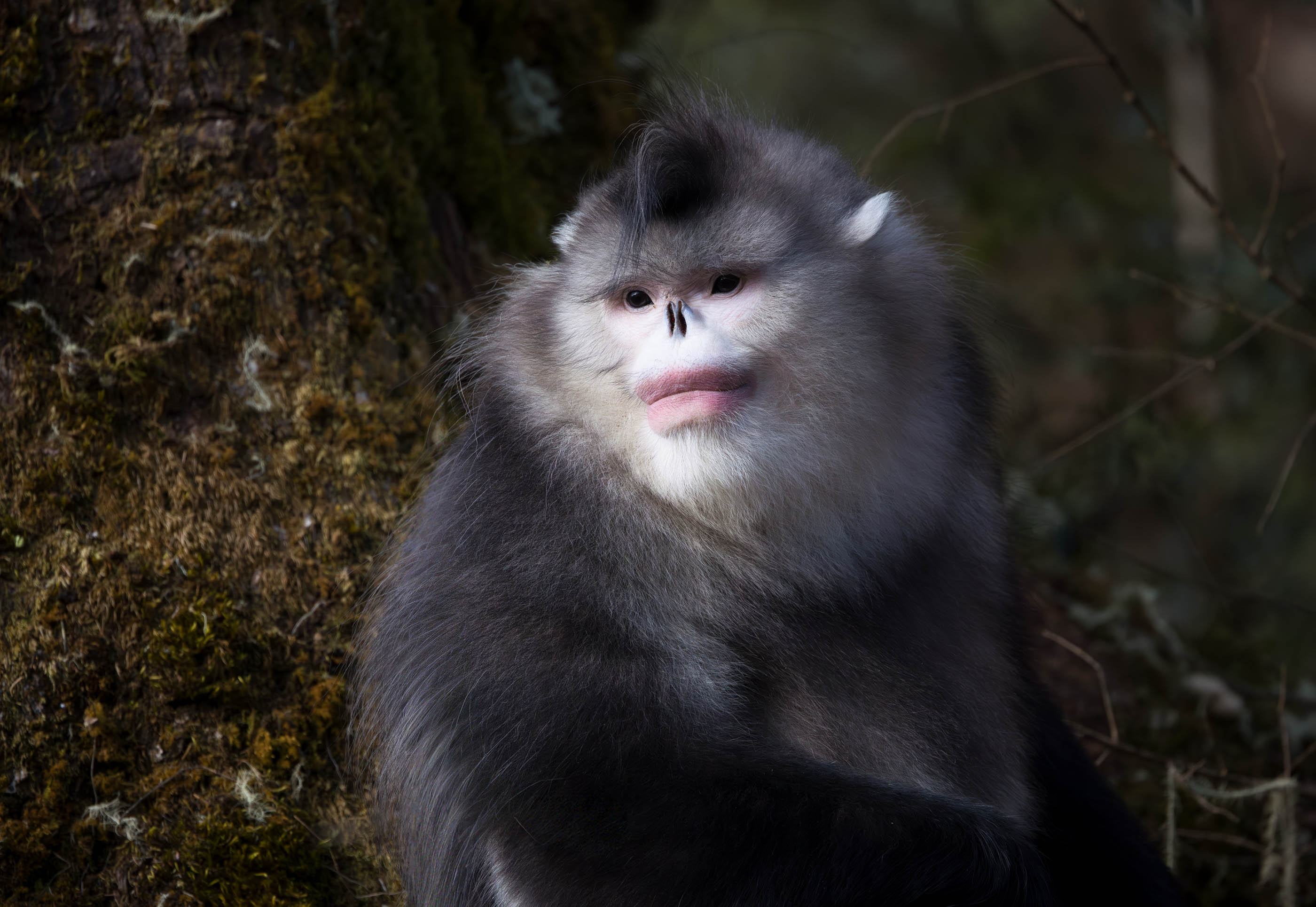
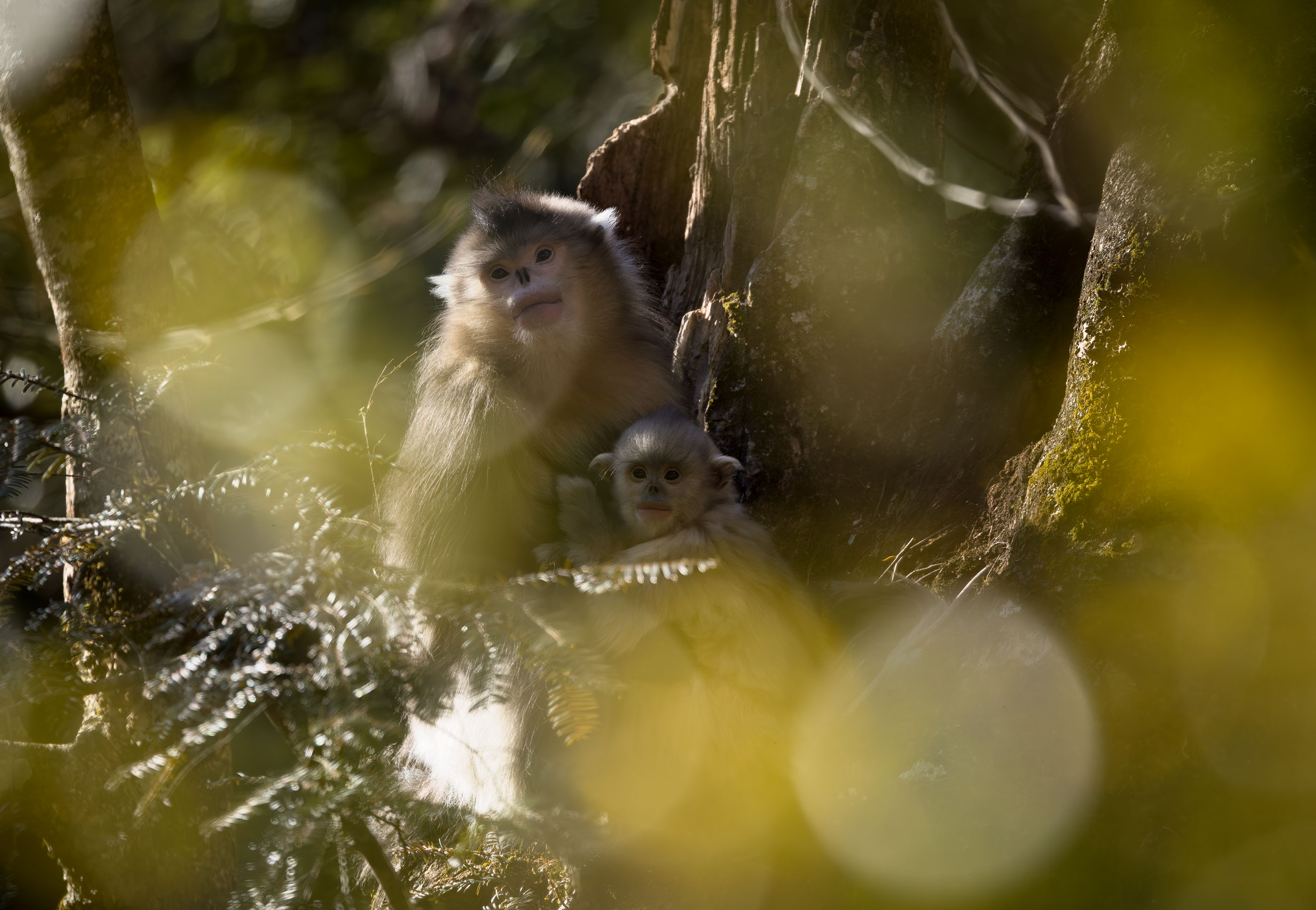
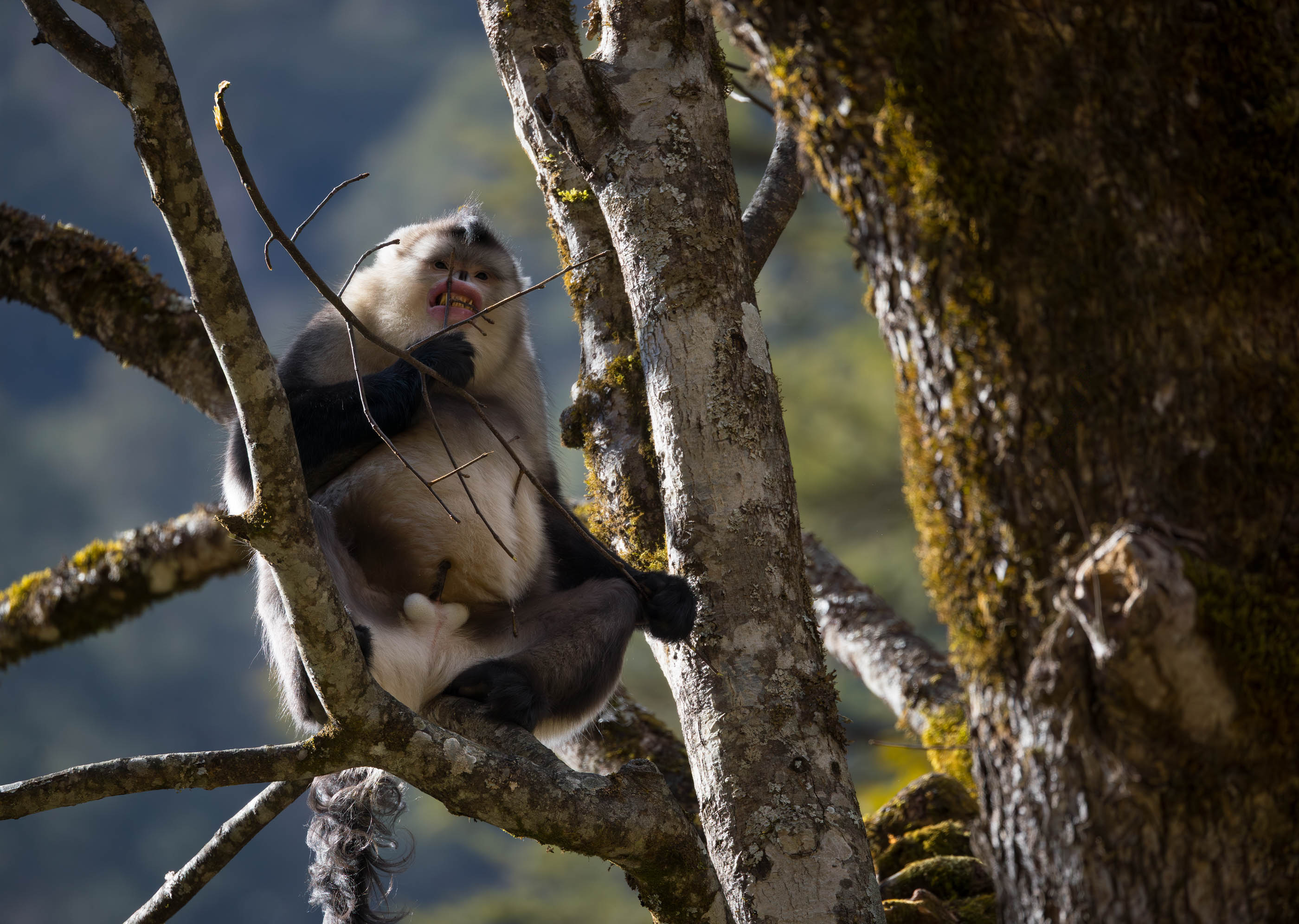
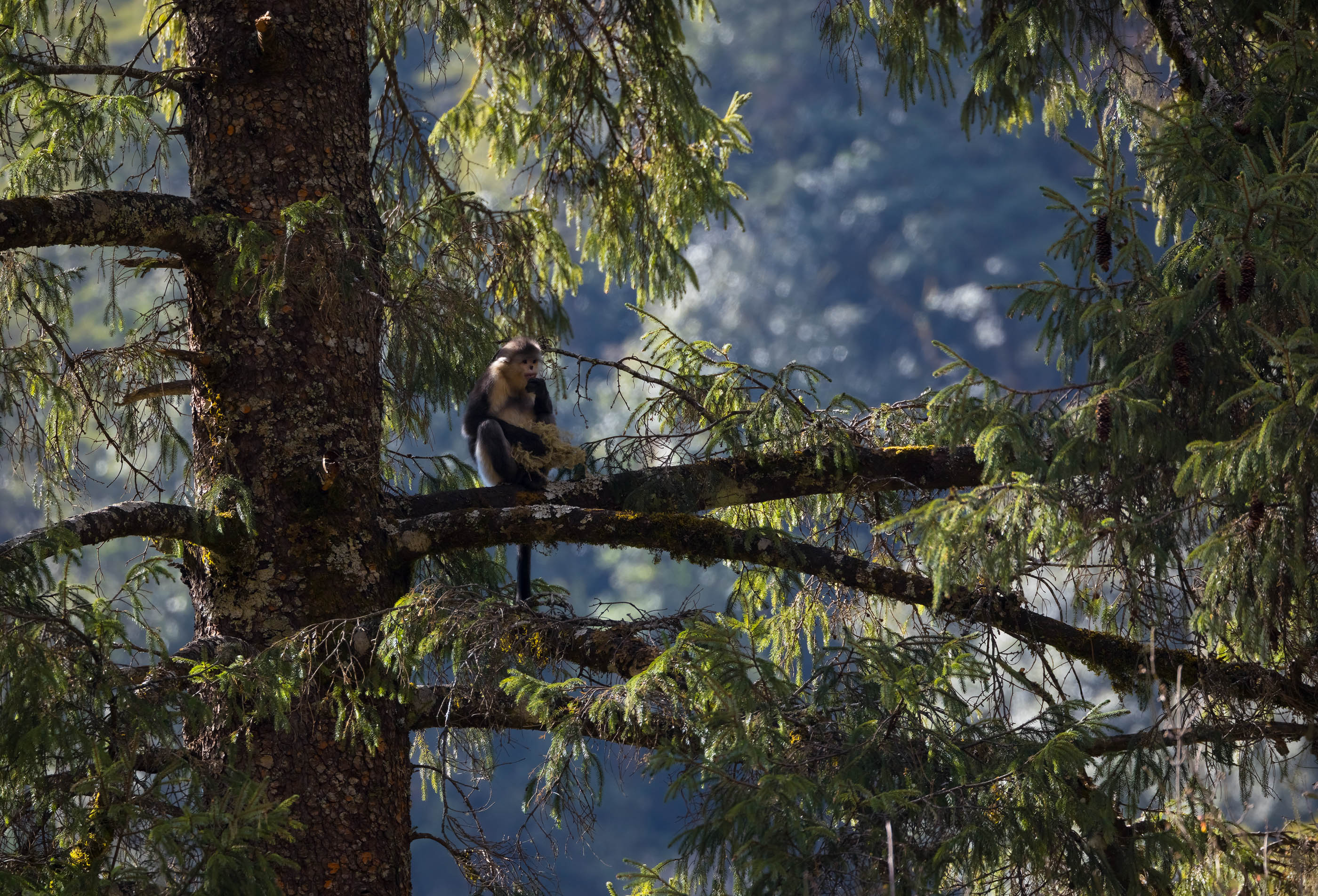
The black-and-white snub-nosed monkey, also known as the Yunnan snub-nosed monkey, is a large black and white primate that lives only in the southern Chinese province of Yunnan. Coniferous and deciduous forests in the mountainous regions of Yunnan are the ideal terrain for these primates. With their unique adaptations to their environment, these monkeys thrive at extreme altitudes despite the below freezing temperatures and thin air. They are the burliest species of snub-nosed monkeys, and even sport a very cool-looking mohawk!
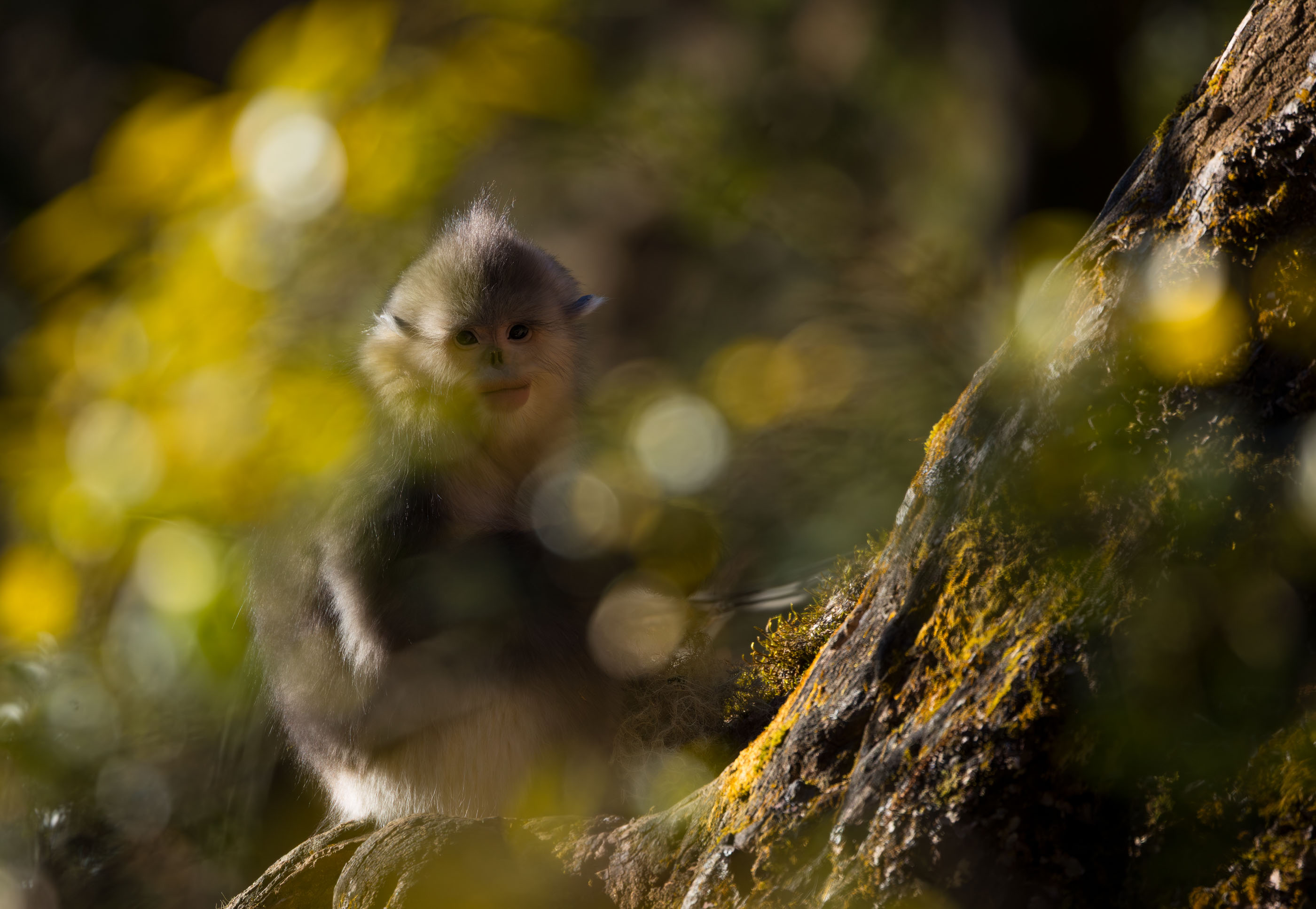
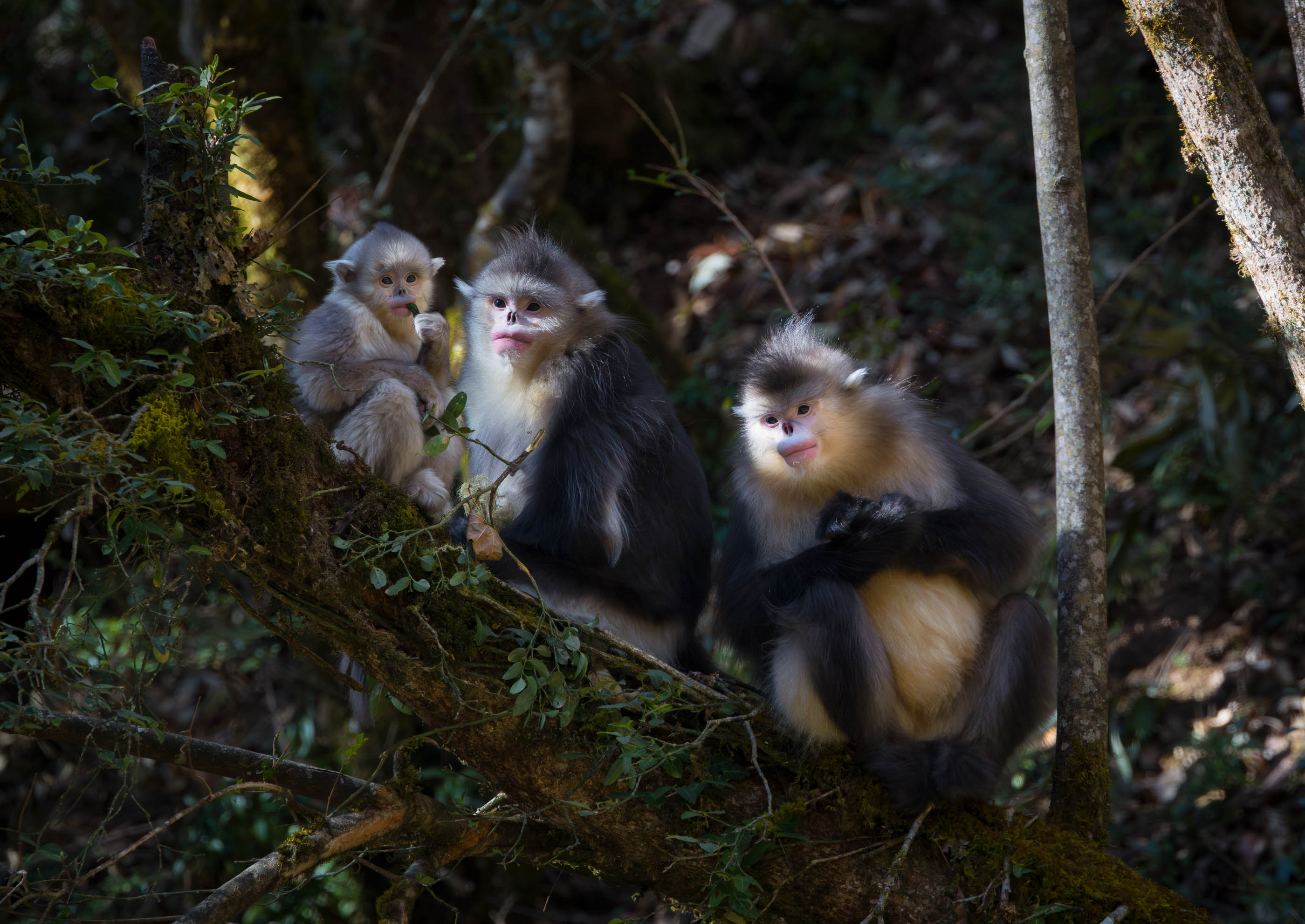
Every morning during our 3-day shoot, we'll drive to the park, take a shuttle to the monkey area and hike for a while to get to where the monkeys are. We will then have 2-3 hours to shoot before hiking back. The monkey groups are large and diverse, and have mature males and females, subadults and babies, spread along a large area and supplying endless opportunities for creative photography.
After the final morning shoot on day 4, we will drive to the airport and fly to Chengdu, where we will have dinner and spend the night.
Days 5-7 Red Pandas in Wawu Mountain
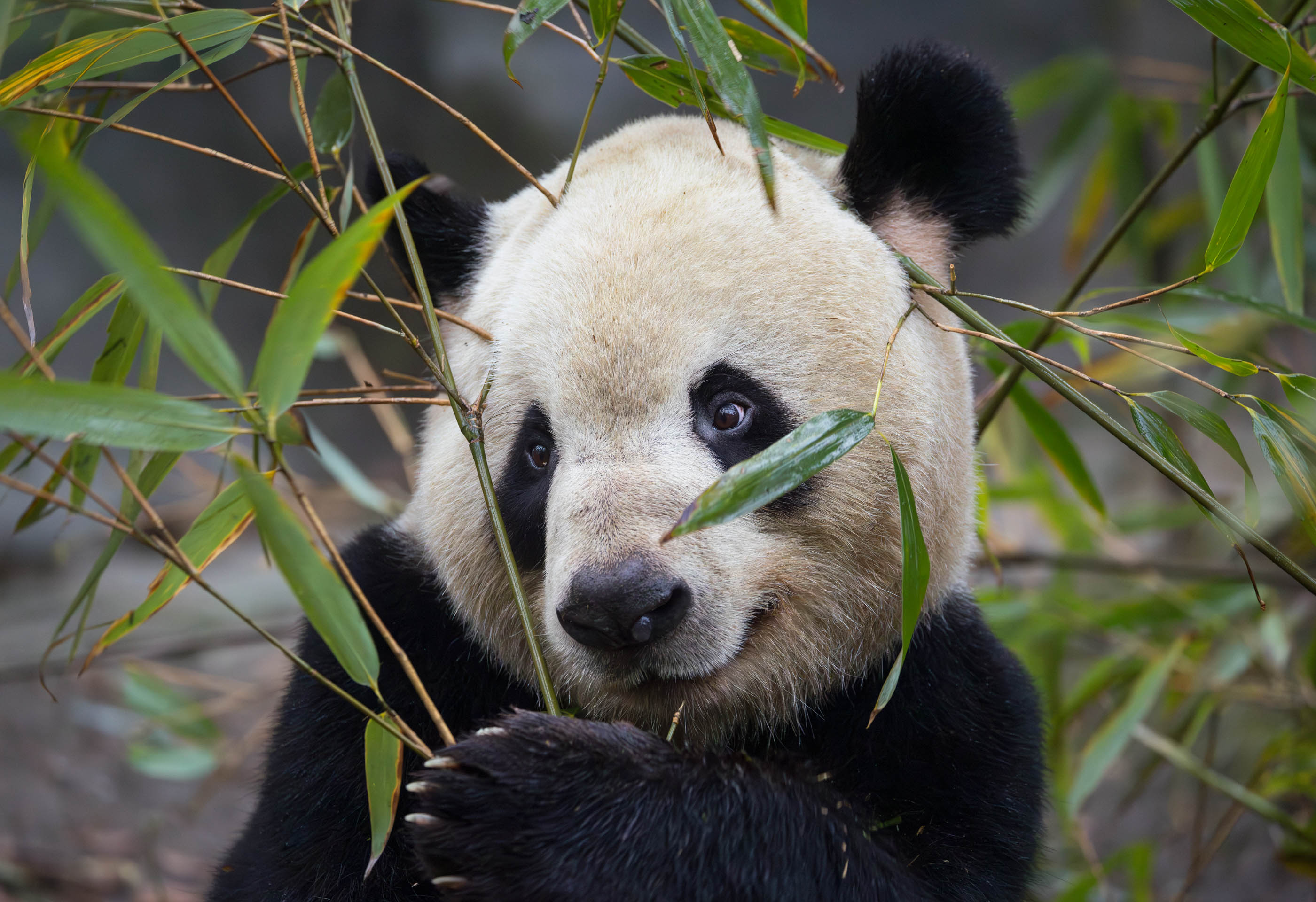
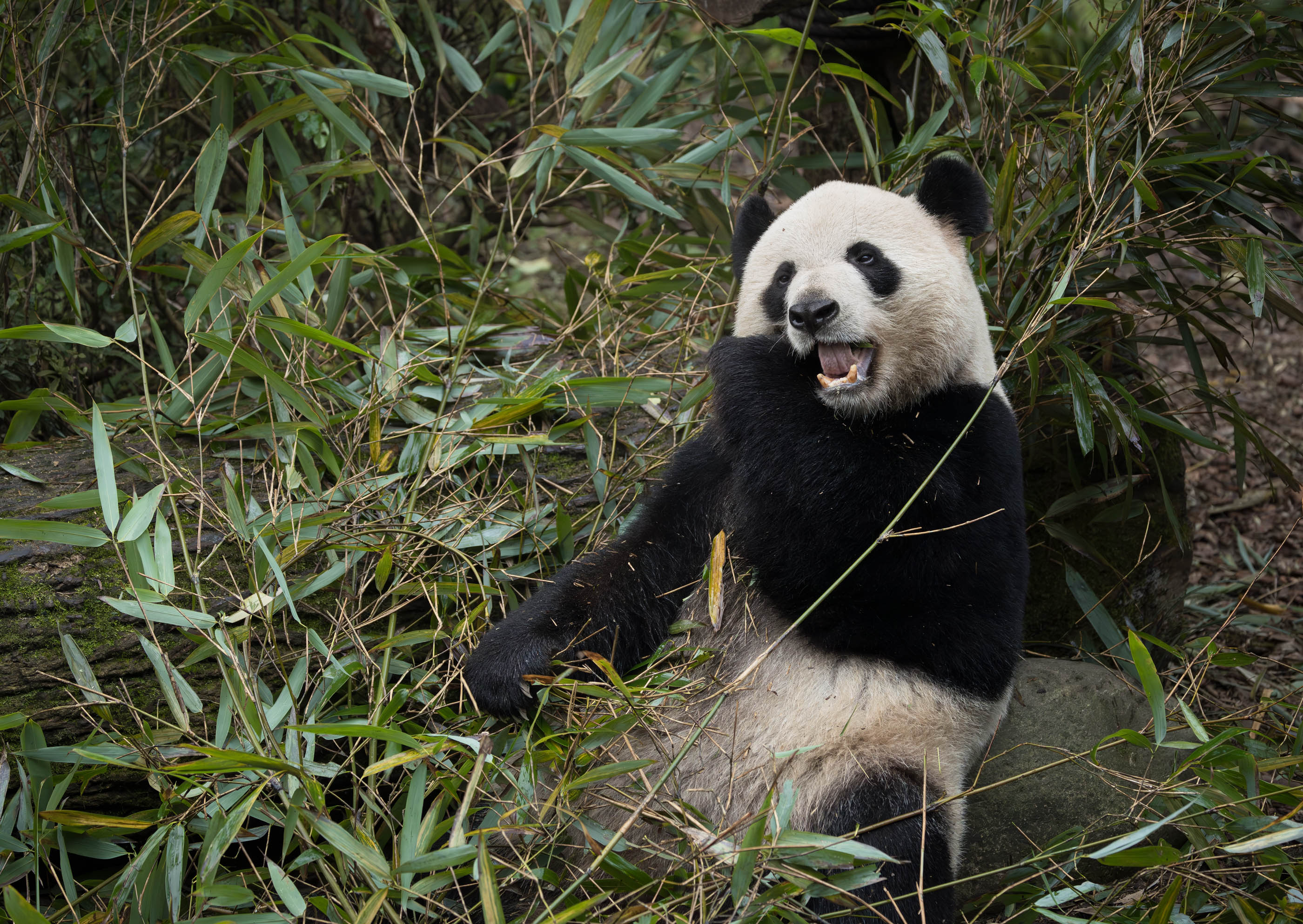
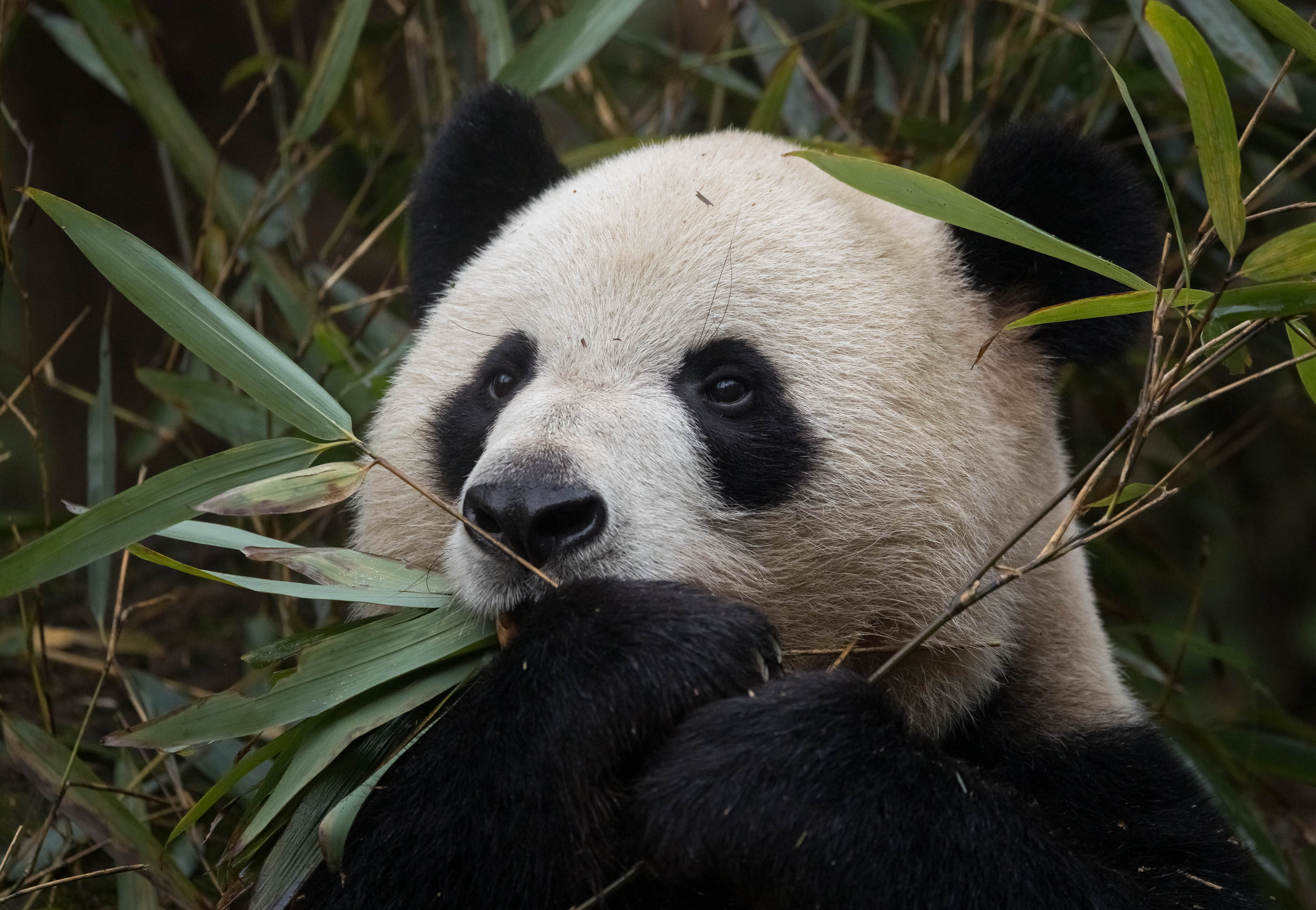
After an early breakfast at the hotel, we will take a short drive to one of the panda conservation centers in Chengdu. Unfortunately pandas are near-impossible to encounter in the wild, and so we will photograph them in captivity. Nevertheless, there are good shooting opportunities in natural-looking environments.
After the shoot, we will drive to our next shooting destination. Standing at 3522 meters above sea level, Wawu Mountain, also known as Shu Mountain and Ju Mountain, is a famous table mountain located in Hongya County, Sichuan Province. It is renowned for its unique flat top, resembling a traditional Chinese tiled house, and its rich biodiversity. According to investigations, there are more than 3500 species of plants and about 300 species of birds in Mt. Wawushan areas. At lower levels, areas of evergreen broadleaf woodland are interspersed with cultivation, but higher up this gives way to deciduous woodland and ultimately large open, grassy or bamboo-covered areas and stands of mixed coniferous-rhododendron forest. As we walk here among the gnarled, moss-encrusted trees we may enjoy some superb vistas across a seemingly endless series of mountain ridges to the great snow-capped peaks of western Sichuan beyond.
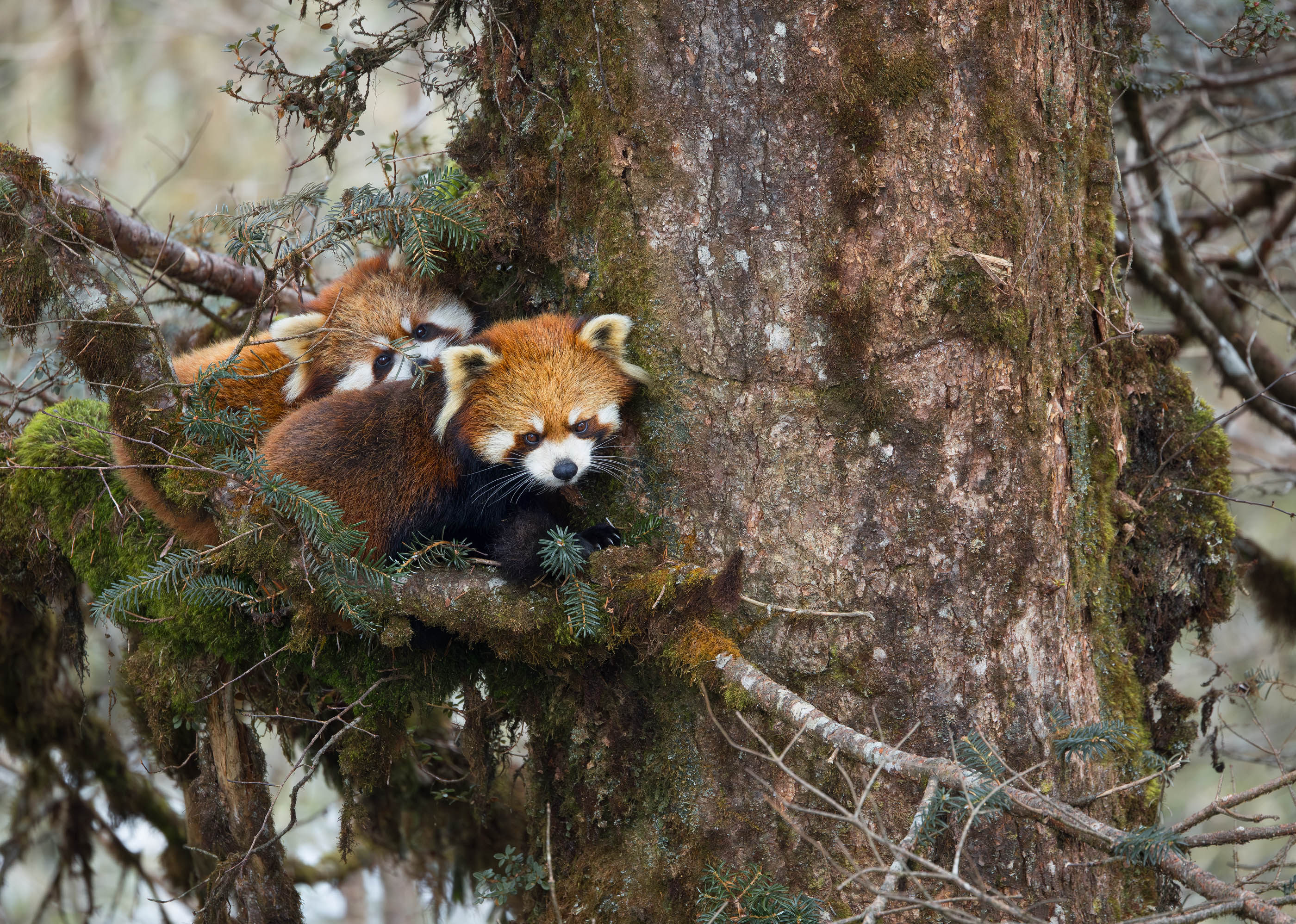
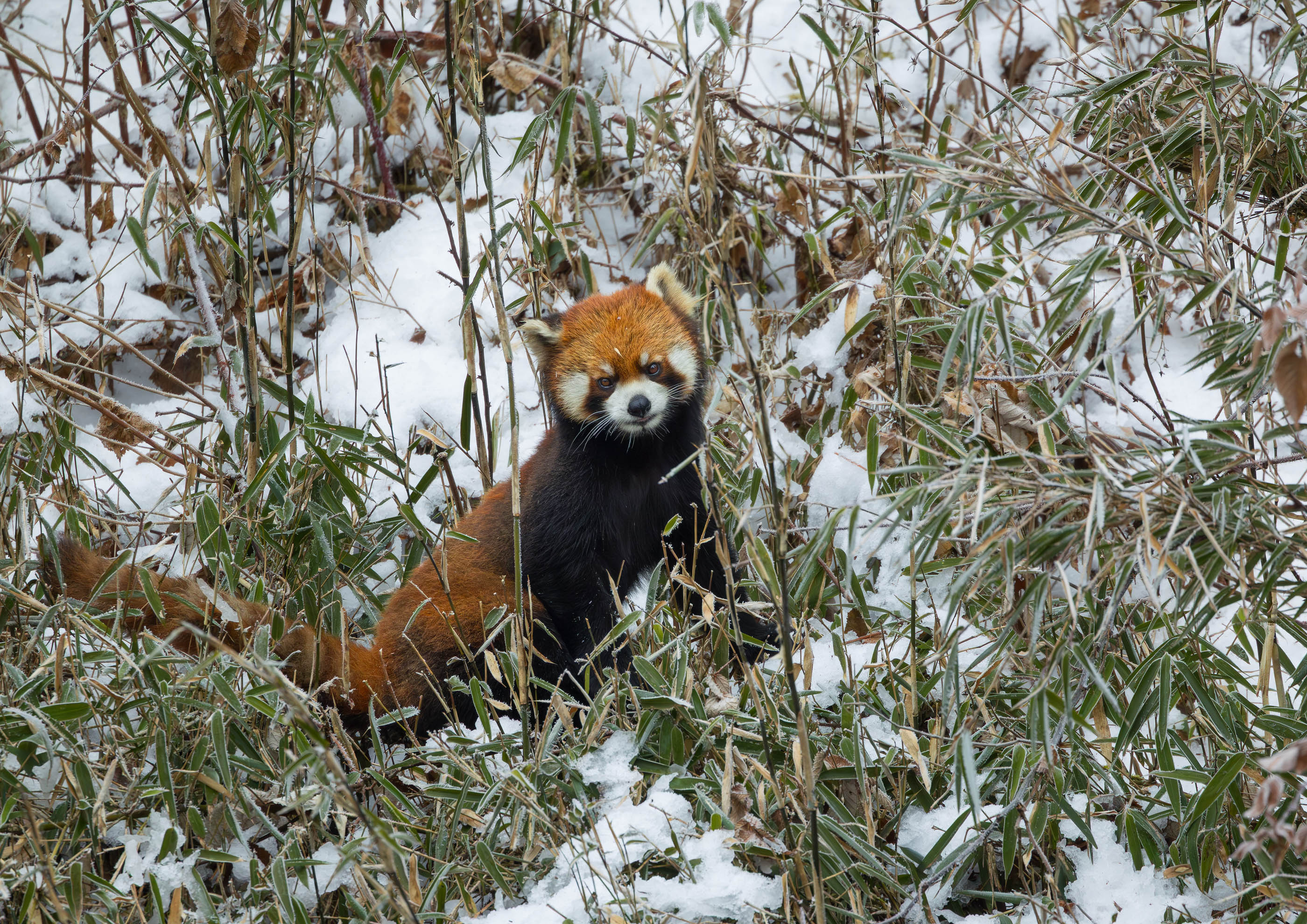
Our main interest here are the red pandas. Not related to "regular" pandas in the slightest, this much smaller mammal is native to the eastern Himalayas and southwestern China. It has dense reddish-brown fur with a black belly and legs, white-lined ears, a mostly white muzzle and a ringed tail. Red pandas are, without a doubt, one of the cutest animal species in existence.
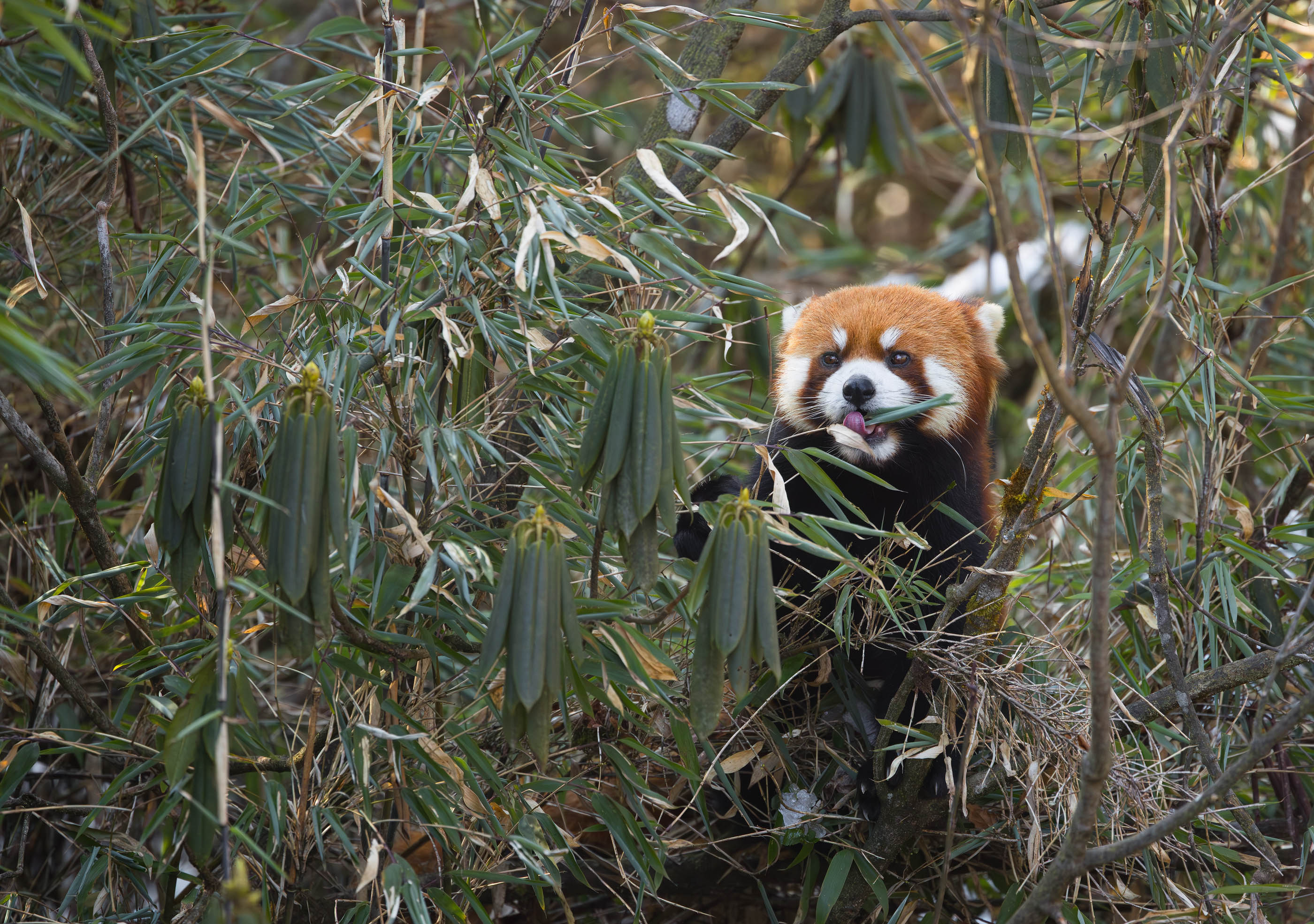
We will spend 2 full days shooting completely-wild red pandas. If the weather gods are good to us, we will get heavy snow to complement their red fur.
Days 8-9 Tanjiahe
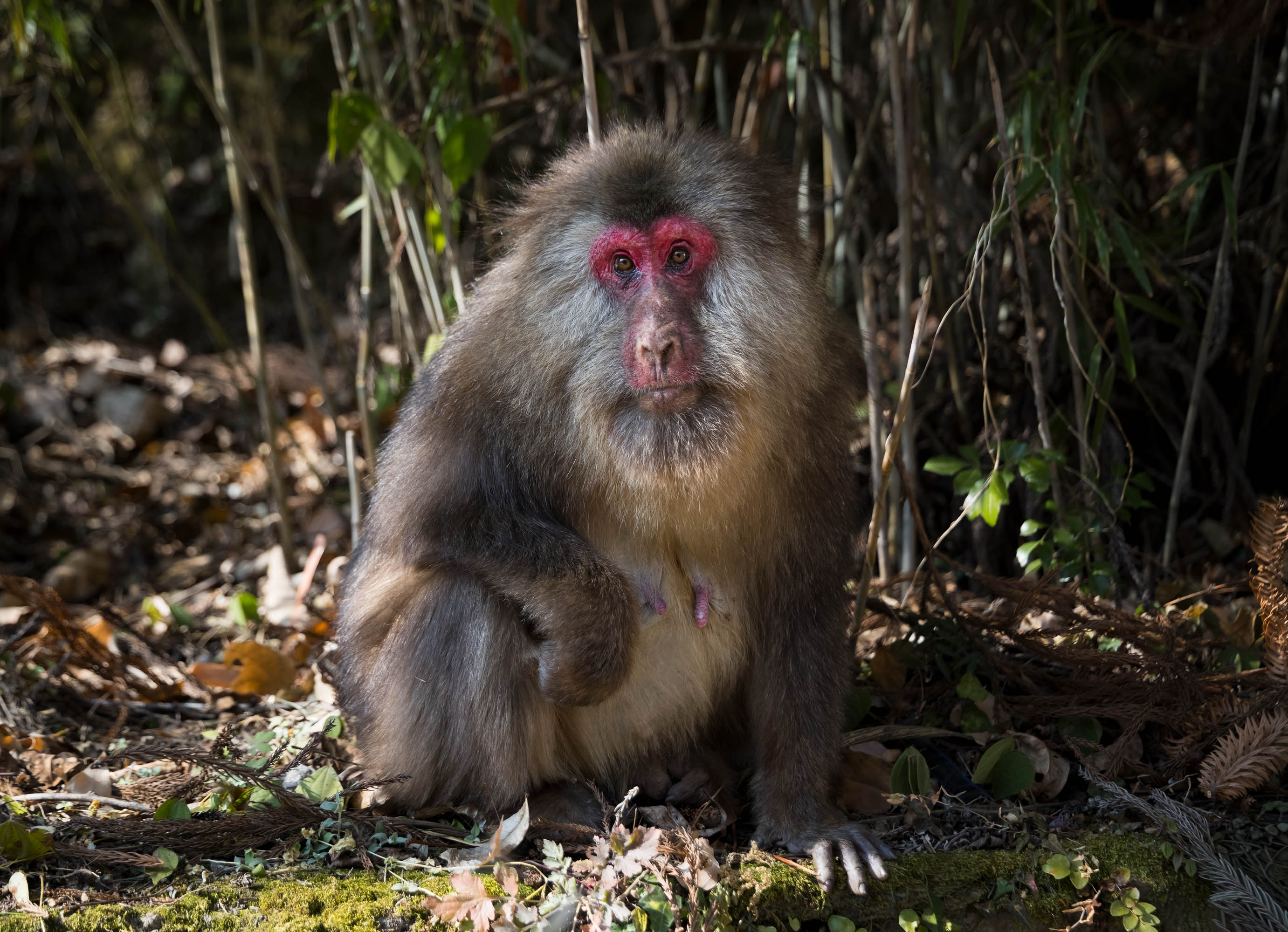
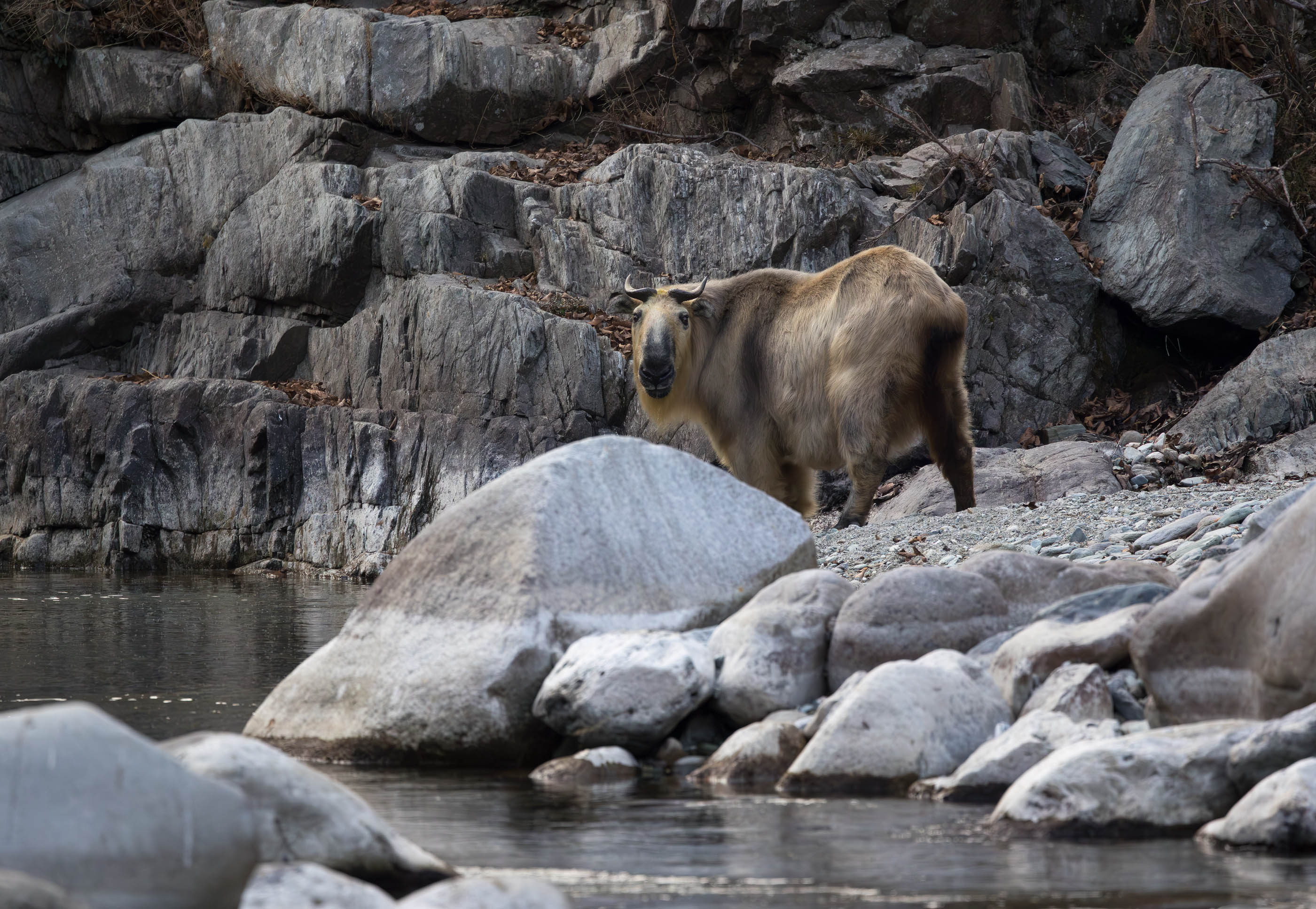
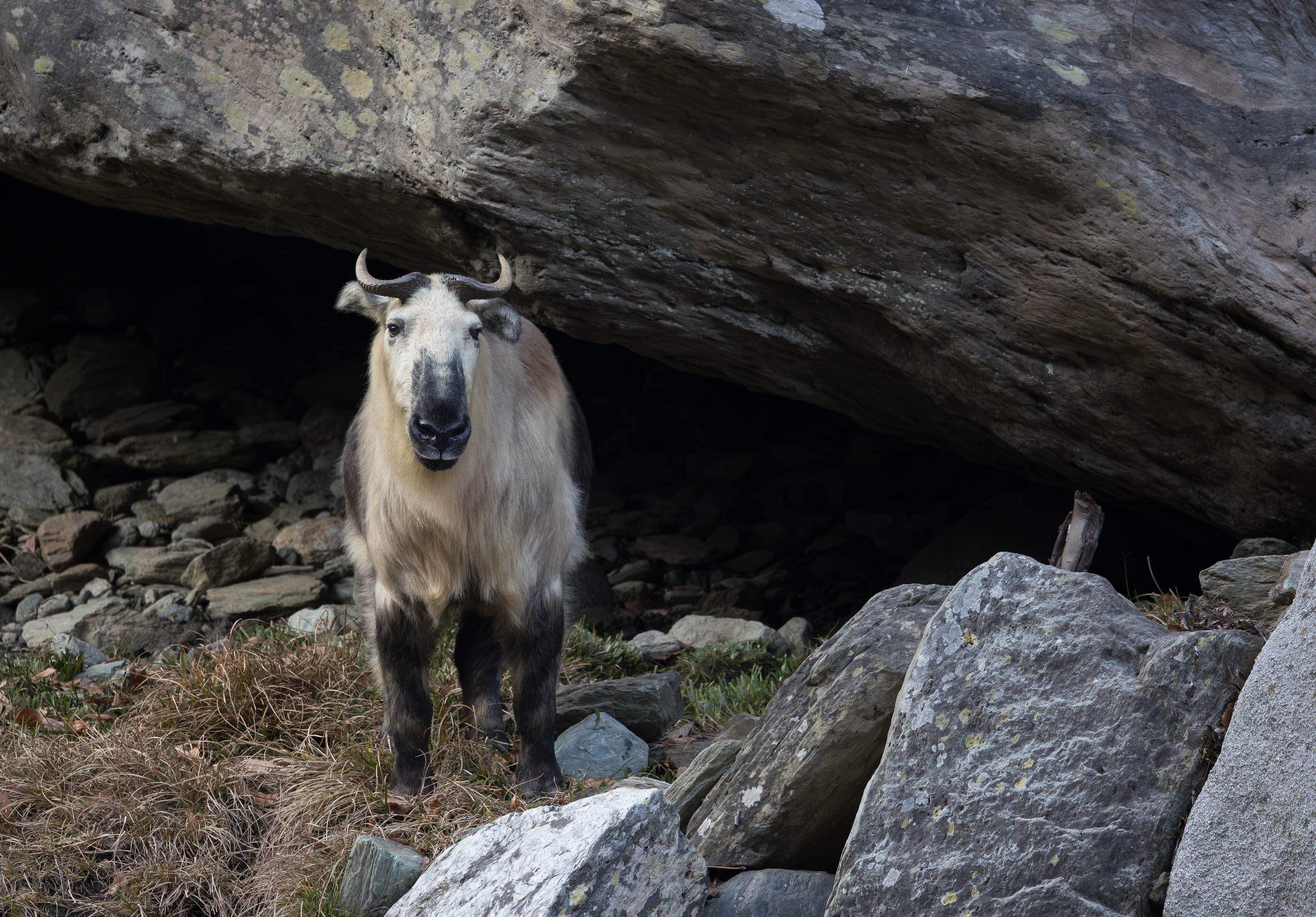
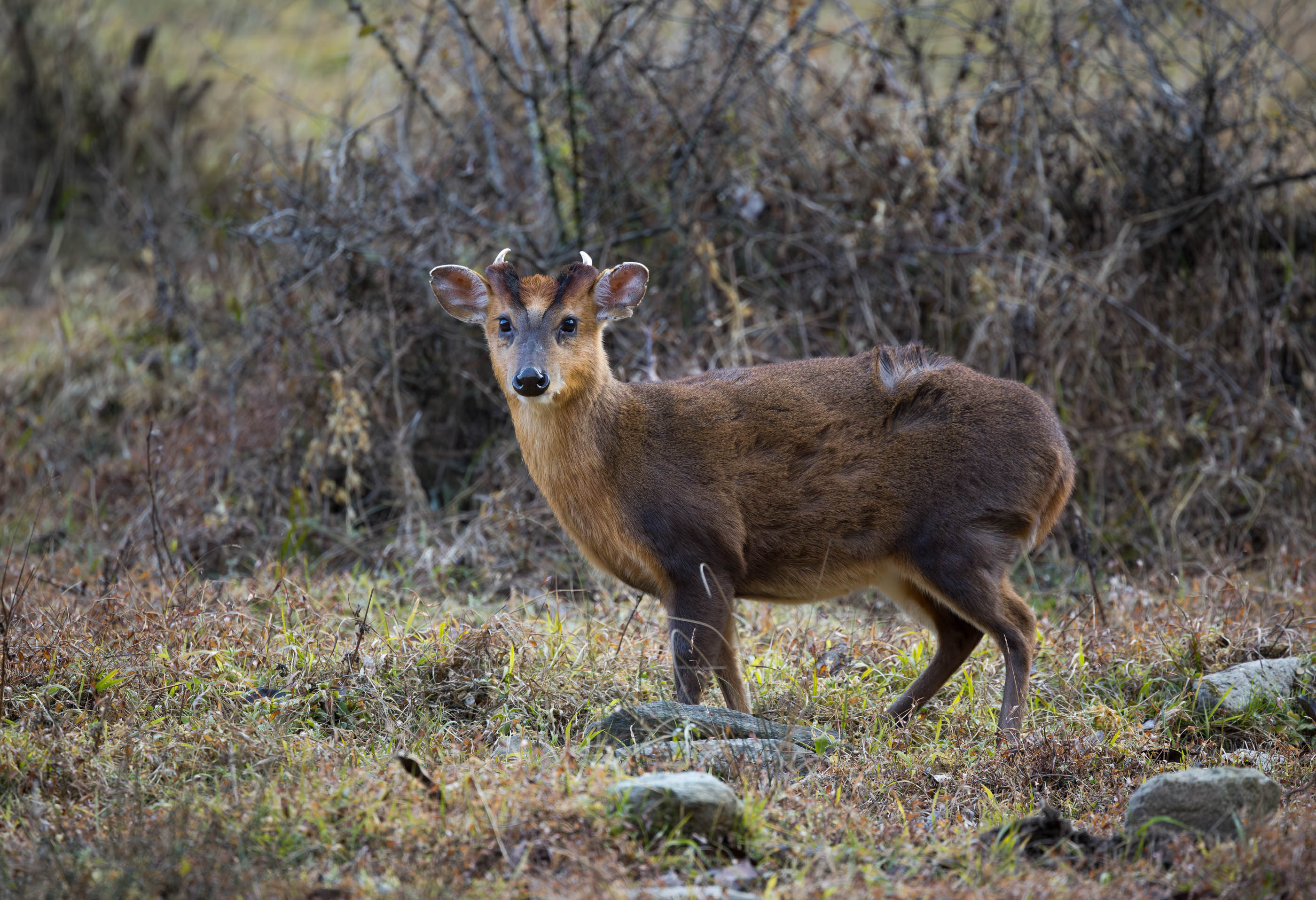
In the morning of day 8 we will hop on our cars again and drive about 6 hours to our next destination: Tanjiahe NP, where we will shoot several mammal species. The most iconic of these will be the Sichuan Takin - a large, horned species of goat-antelope. Other species include the Muntjac (barking deer) and the rather-naughty Tibetan macaque - a monkey with a face only a mother could ever love.
Days 9-11 Golden Snub-Nosed Monkeys in Shuijingzhen
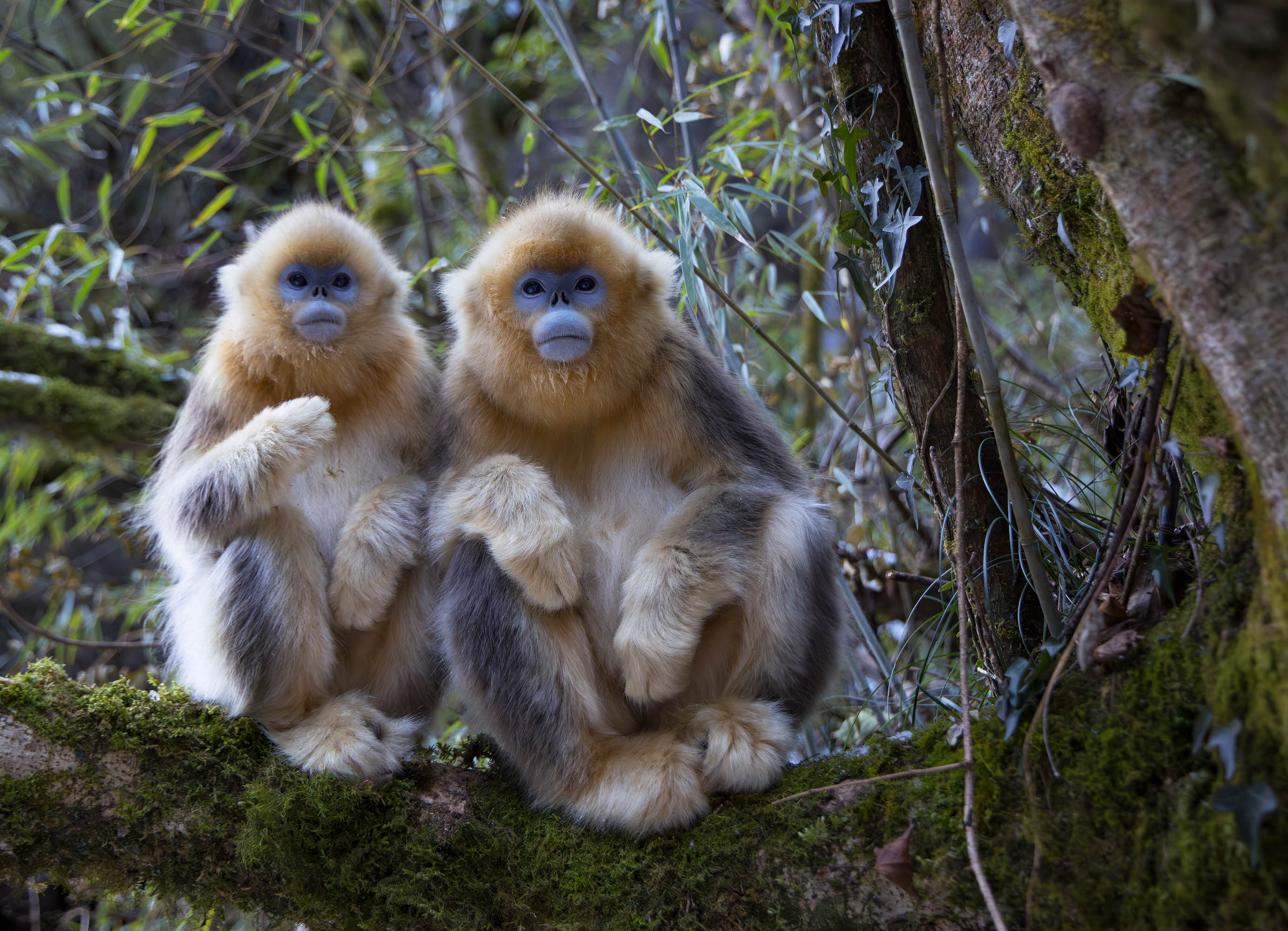
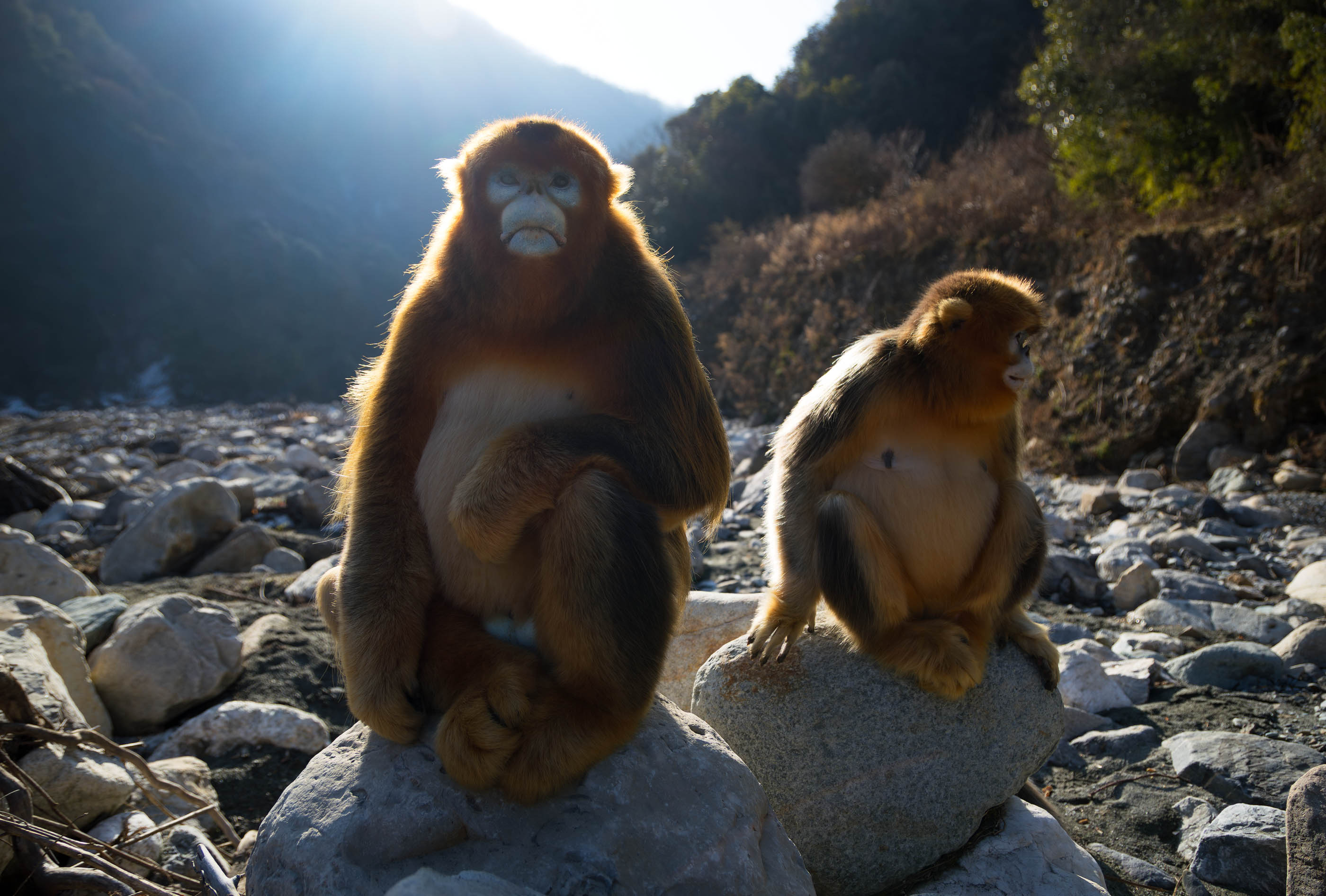
After a morning shoot in Tnajiahe, we will hop on our cars again and drive about 3 hours to our next destination: Shuijingzhen, where we will shoot one of the world's most beautiful monkey species. The golden snub-nosed monkey is an Old World monkey endemic to a small area in temperate, mountainous forests of central and Southwest China. They inhabit these mountainous forests of Southwestern China at elevations of 1,500–3,400 m (4,900–11,200 ft) above sea level. Of the three species of snub-nosed monkeys in China, the golden snub-nosed monkey is the most widely distributed throughout China.
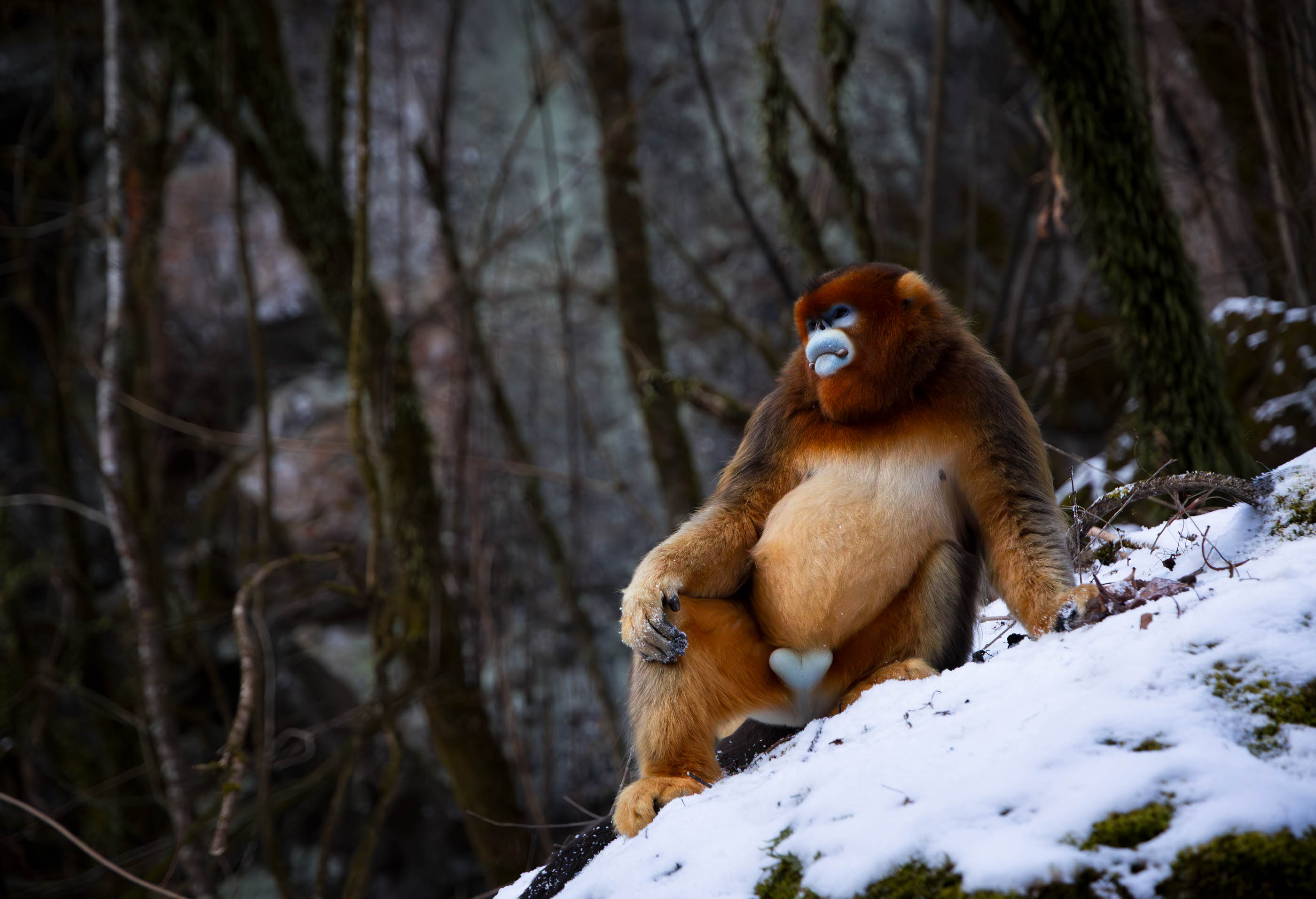
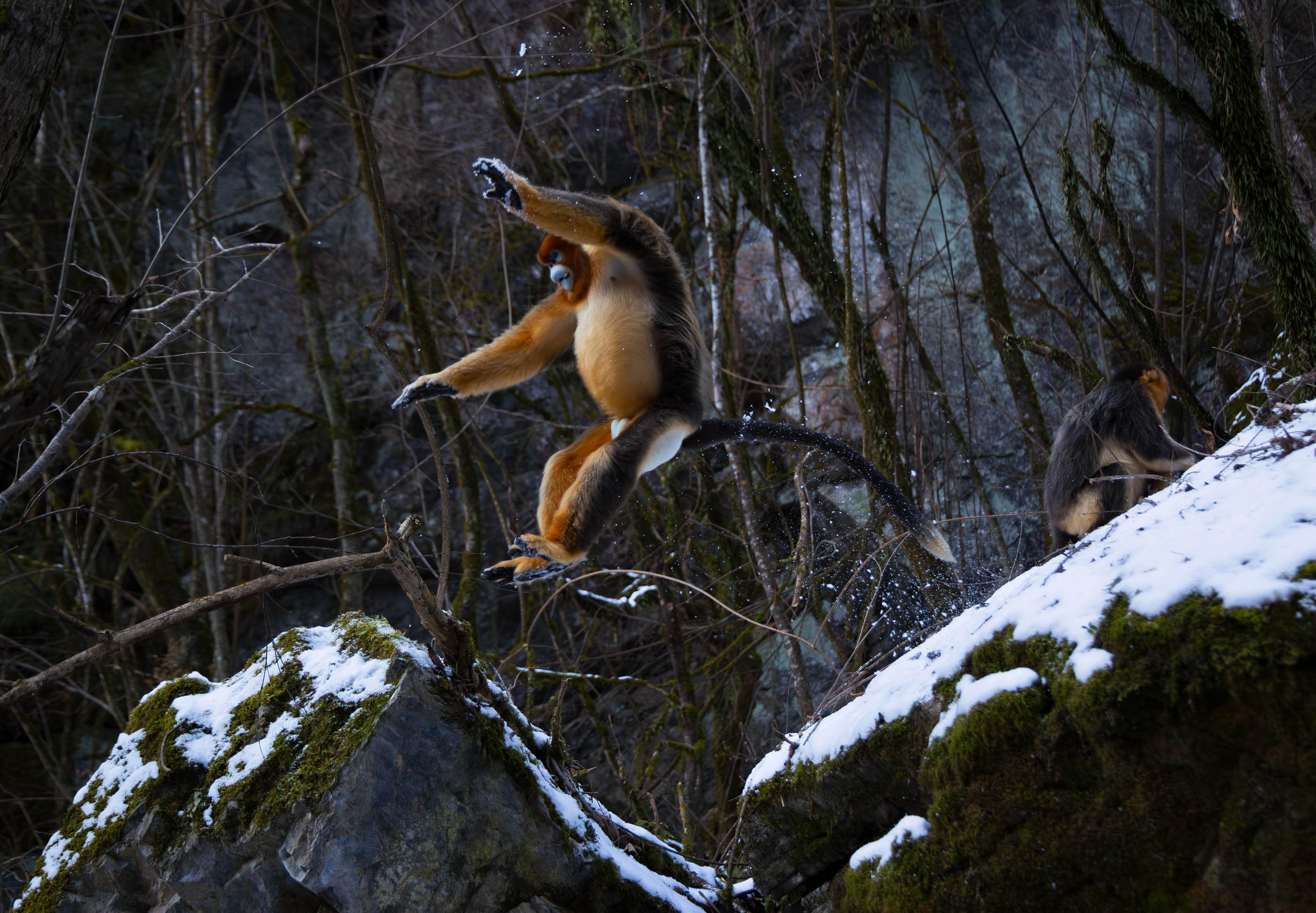
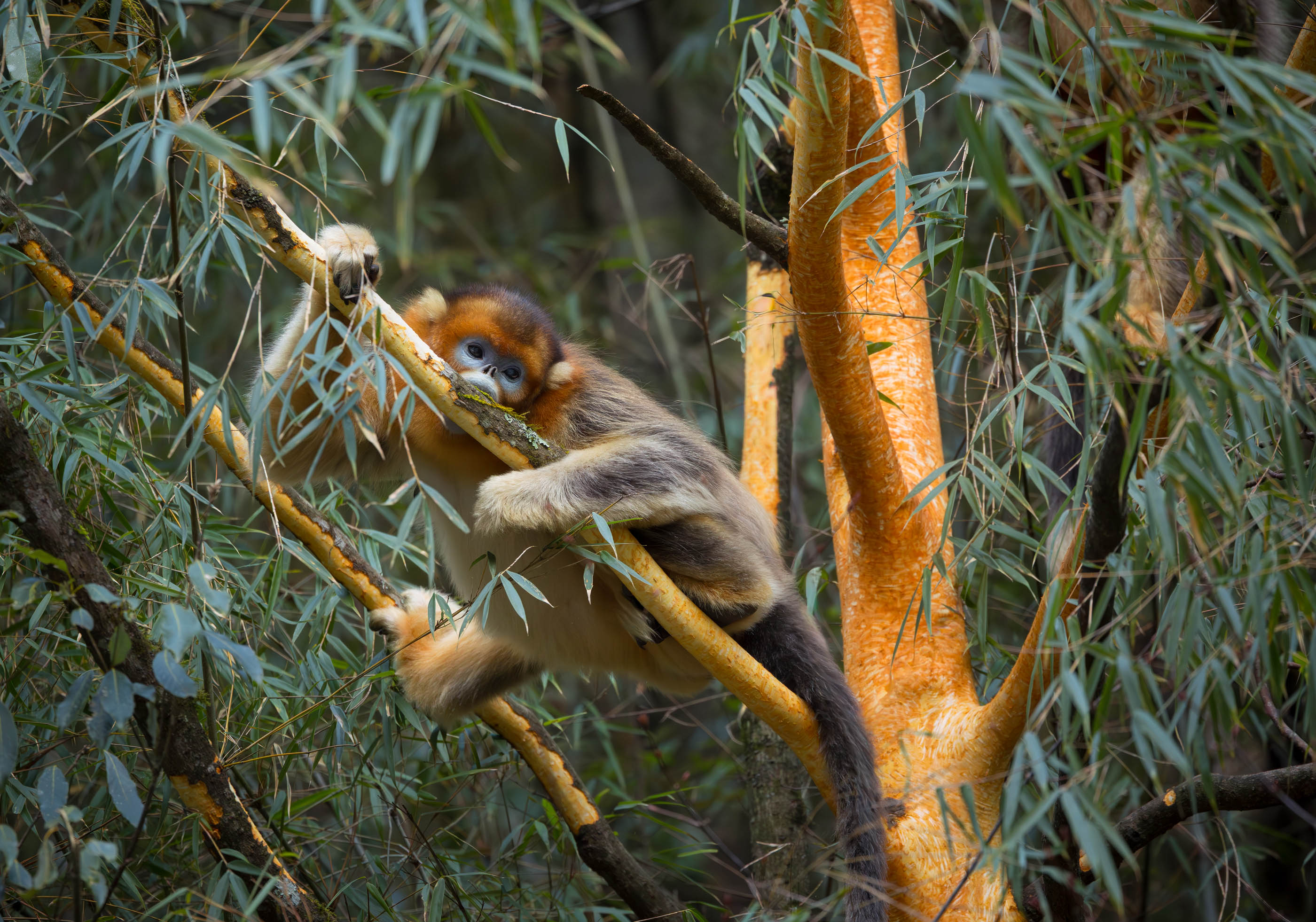
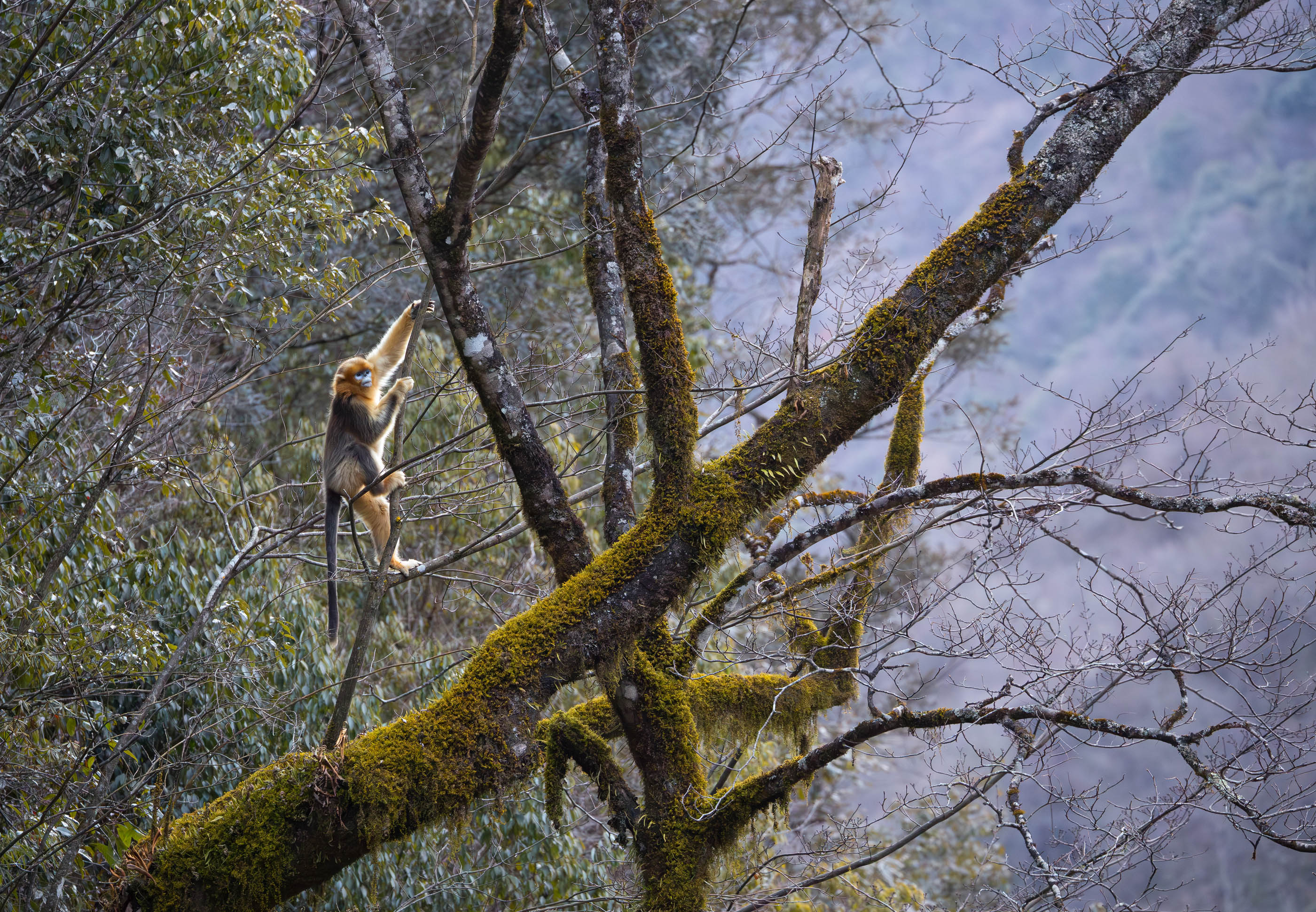
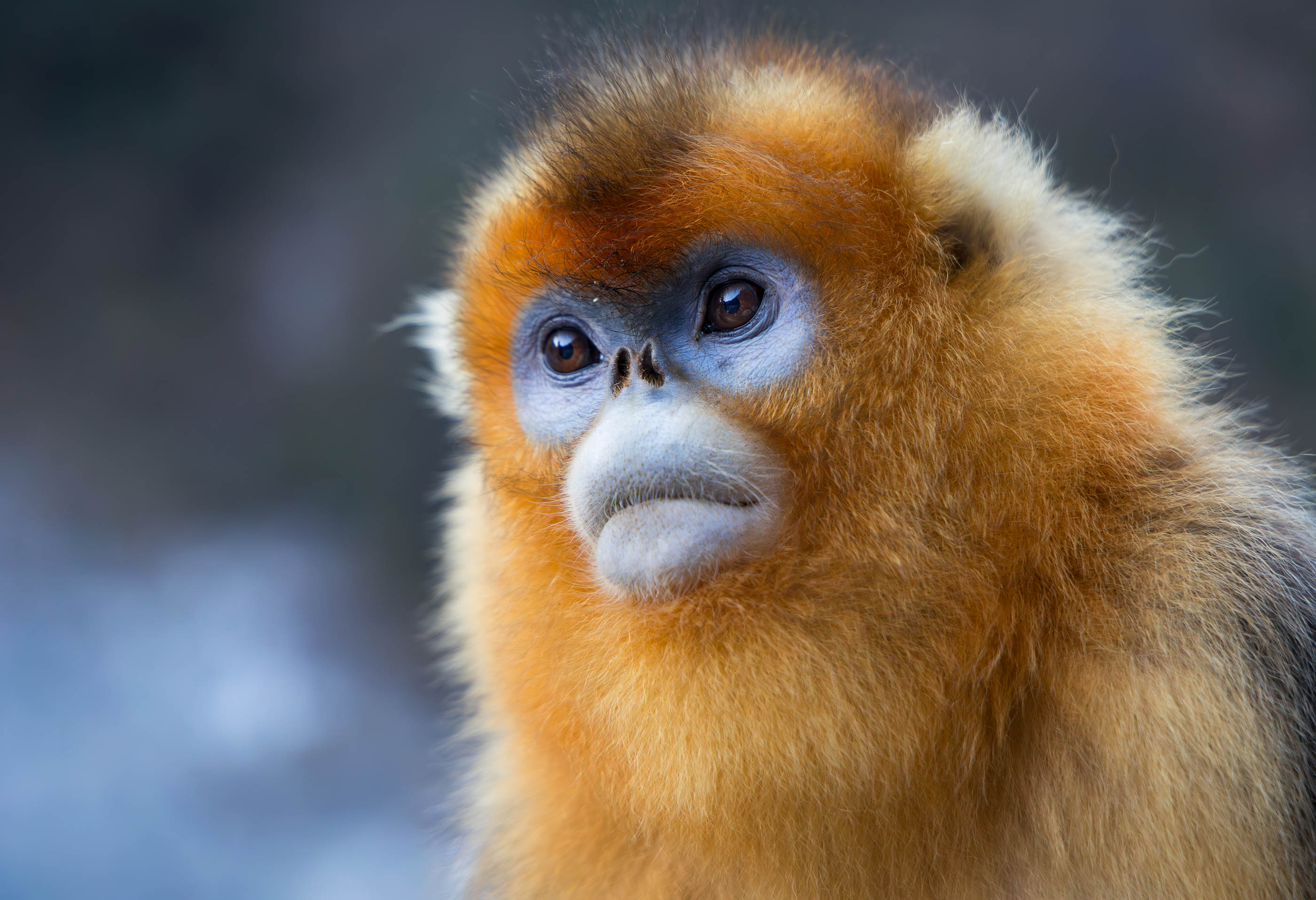
We will spend 2 full days shooting the golden snub-nosed monkey, hoping for heavy snowfall to elevate the images higher. After a morning shoot on day 11 we'll drive back to Chengdu, where we will have a final dinner together.
Day 12 Departure
After breakfast, we will drive back to Chengdu International Airport (CTU) for goodbyes and your flight home.
Total Price: €11990 per person in double room
Deposit: €4990
Single Room Supplement: €1600
Maximum Number of Participants: 6 photographers (non-photographers are welcome at a reduced price, contact me for details)
Physical Difficulty: Intermediate. This workshop is moderately physical. We will be hiking in most of the locations to get to the wildlife, but the hikes aren't hard if you're decently fit. Weather conditions are cold but comfortable, with temperatures usually ranging between 0 and 15 degrees Centigrade. Wawu Mountain is the exception, with temperatures down to -10 degrees C. Some hikes are done at altitudes that can be physically felt (shortness of breath, slight headache), but are not at all dangerous.
Workshop Price Includes
- Accommodation in hotels and lodges.
- Breakfast, lunch and dinner throughout the workshop.
- Travels in private, comfortable vehicles offering ample room for you and your photoraphy gear.
- A domestic flight from Lijiang to Chengdu.
- Photography guidance by a professional nature photographer, accompanied by local experts
- Critique sessions and post-processing assistance when and where possible.
- Entrance fees, road tolls and taxes on all services listed above.
Workshop Price Does Not Include
- Airfare to Lijiang International Airport (LJG) and from Chengdu International Airport (CTU). Please note the workshop begins and ends in different airports. Also note that there are 2 airports in Chengdu - please book your flights from the correct one (CTU).
- Flights and accommodation on the way from Xining to Lijiang (if you participate in part 1 of this workshop). The 2 flights and the night at the hotel cost about €500 - a more exact number will be given in due time.
- Entry visa to China (required for US citizens but not for EU citizens. Contact me for help).
- Insurance. It is MANDATORY to insure yourself against physical injury, and highly recommended to insure your photo gear. Tour leaders will not be responsible in case of any personal injuries or damage to photographic gear as a result of an accident during the workshop. A good insurance policy can make a big difference should something happen, and ensure a safe return home.
- Alcoholic drinks.
- Non-meal-time snacks or soft drinks.
- Gratuities to the local staff.
Photography Equipment
- A digital camera, preferrably a DSLR camera with a full-frame sensor, since these cameras have better low-light capabilities. However, a crop-sensor DSLR will also completely suffice. A compact camera can be used, as long as you understand its limitations.
- An ultra wide angle lens. For example, a 16-35mm.
- A mid-range zoom lens such as a 24-70mm or 24-105mm.
- An stabilized ultra-telephoto lens such as a 100-500mm for wildlife shooting.
Clothing
- Clothing for cold weather: breatheable shirts, light warm jacket, heavy down jacket, insulated water-resistant pants.
- Gloves
- A warm beany
- Good hiking boots, at least 2-3 pairs of socks
Payment Procedure
In order to secure your spot, you are required to transfer a deposit of €4990. This deposit will be refunded only in case the workshop gets cancelled for some reason. For your comfort, the deposit can be paid either through PayPal or a wire-transfer (please contact me for details).
The full amount (after discounts if applicable) must be paid via wire-transfer no later than 100 days prior to the workshop starting date.
In the case you need to cancel your participation, a 40% refund (excluding deposit) will be issued up to 60 days prior to the workshop starting date.
I reserve the right to increase the price of the workshop if costs rise due to unexpected changes in fees, taxes or exchange rates. This is, of course, highly unlikely.
Disclaimer
Though very improbable, workshop dates might shift a few days here or there, up to 6 months prior to start date. Please contact me if you have schedule limitations.
The tour plan above is subject to change. In case of harsh weather, we may have to divert from our plan and do something else.
Important: In order to join the workshop, you will be required to sign a contract that establishes that the tour leaders are not responsible to physical or proprietary damages, and that you understand and accept several behavioral standards (including not taking excessive risk), necessary to ensure the workshop's success and your safe return.

BOOK NOW
AVAILABILITY
24th March - 4th April 2027